Unearthing a Lost Generation of Brazilian Gaming
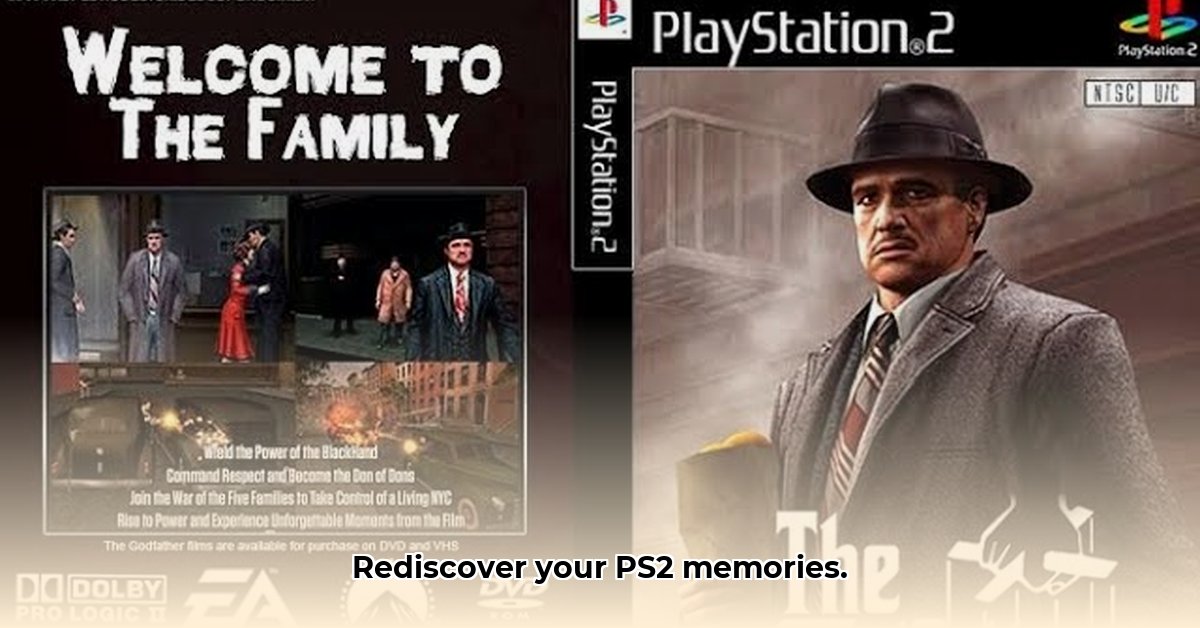
The hunt for elusive Portuguese-Brazilian (PT-BR) PlayStation 2 ROMs is a quest many gamers undertake. Finding those cherished titles with native language subtitles presents a significant challenge. This article explores the landscape of PT-BR PS2 ROMs online, navigating the complexities of digital preservation, legal considerations, and the passionate communities dedicated to this endeavor. It's a story of nostalgia, legal uncertainty, and the enduring power of gaming culture. But first, what is a ROM? A ROM (Read-Only Memory) is a digital copy of a game's data files, often used with an emulator to play the game on a PC.
A Digital Time Capsule: Accessing Lost Games
Numerous online archives now host a vast collection of PT-BR PS2 ROMs – virtual museums preserving these classic games. For Brazilian gamers, this represents a treasure trove of titles otherwise lost to time and unavailable on current platforms. These archives also offer invaluable resources for researchers studying Brazilian gaming culture, including language evolution within games, cultural references, and regional adaptations. But, what are the potential downsides of using these online archives?
Did you know: A single archive can contain thousands of PT-BR PS2 ROMs, representing a significant portion of Brazil's gaming history?
The Complexities of Digital Game Preservation: Weighing the Risks and Rewards
The benefits of these online archives are undeniable, but they come with substantial risks:
Pros:
- Access to Rare Games: Provides access to games otherwise unavailable, especially region-specific releases.
- Preservation of Cultural Heritage: Protects a vital part of Brazil's gaming history from being lost, offering invaluable data for researchers.
- Community-Driven Effort: Highlights the dedication and passion of gamers committed to preserving their gaming heritage.
Cons:
- Legal Uncertainty: Downloading and distributing copyrighted material is illegal. While the intent may be noble, legal ramifications remain a significant concern.
- Server Instability: Archives often rely on individuals or small groups, making them vulnerable to server outages and potential data loss.
- Malware Risks: Downloaded files may contain malware, posing a threat to users' computer systems. Always use a reputable antivirus.
- File Integrity: ROMs may be incomplete or corrupted, impacting the user experience.
Navigating the Archives Responsibly: A Practical Guide
If you choose to engage with these archives—and it's a personal decision—follow these steps to minimize risks:
- Verify Sources: Prioritize well-known and reputable sources. Exercise extreme caution with unfamiliar websites.
- Comprehensive Virus Scanning: Always scan every downloaded file with updated antivirus software before execution.
- Multiple Backups: Create redundant backups and store them in separate locations to protect against data loss.
- Respect Copyright: Refrain from sharing or distributing copyrighted material. This is non-negotiable.
Dr. Maria Silva, Professor of Digital Humanities at the University of São Paulo, states: "These archives highlight the tension between preserving cultural heritage and respecting intellectual property rights. A balanced approach is crucial, one that respects copyright whilst working towards solutions that ensure access to these important cultural artifacts."
The Future of Preserving Brazilian PS2 Gaming History: Bridging the Gap
Preserving PT-BR PS2 ROMs is crucial for both gaming history and Brazilian culture. The ideal solution lies in collaborative efforts among enthusiasts, developers, and legal experts. The goal is to find a sustainable, legal pathway. Imagine a future where officially licensed digital distributions make these games accessible to everyone legally. Until then, it's a delicate balance between preservation and legal compliance.
How to Legally Preserve Your Portuguese Playstation 2 Game ROMs
Key Takeaways:
- The legality of possessing PS2 ROMs is nuanced and depends on acquisition methods.
- Backup copies of personally owned games may fall under fair use, but downloading unauthorized copies is strictly illegal.
- Emulators themselves are generally legal; the ROMs are the problematic element.
- Regional copyright laws add complexity to the legal landscape.
- Digital preservation is possible but requires careful attention to legal provisions.
Navigating the Legal Landscape of PS2 ROMs
Downloading PS2 ROMs of games not personally owned is illegal. Copyright law protects developers' intellectual property. Making personal backups of legally acquired games is a grey area.
The Path of Legal Preservation: A Step-by-Step Guide
- Authentic Ownership: Start by owning a physical copy of the Portuguese-language PS2 game. This establishes legal ownership.
- Backup Creation (with Caution): If you own the game, making a personal backup might be permissible under fair use. The legality varies by jurisdiction and is highly debated.
- Legal Emulator Use: Numerous PS2 emulators are legally available. The legality hinges solely on the ROMs used.
- No Sharing: Strictly limit backups to personal use. Sharing infringes on copyright law.
- Legally Obtained Translations: Finding PT-BR translations legally is challenging. Explore legally operated fan translation projects or consider creating your own translations of public domain games.
The Importance of Digital Preservation, Legally
Preserving gaming history is essential, but it must be done legally. The goal requires respecting intellectual property rights whilst ensuring access to critical cultural materials for future generations. Legal frameworks and accessible digital distribution are keys to solving this challenge.
